bharathanatyam

Bharata Natyam

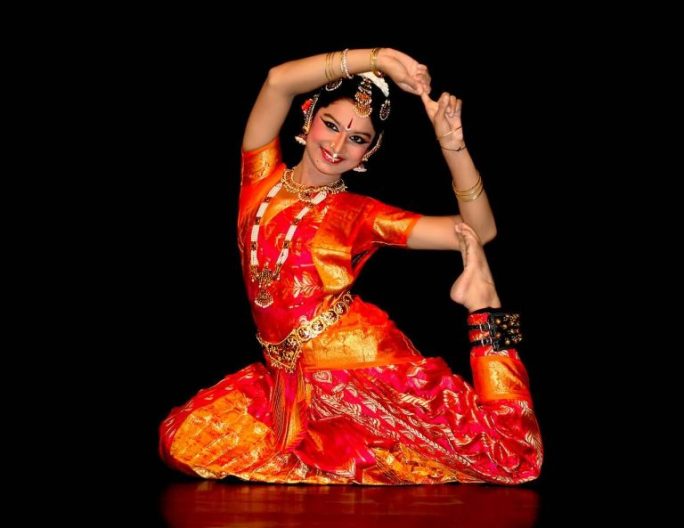
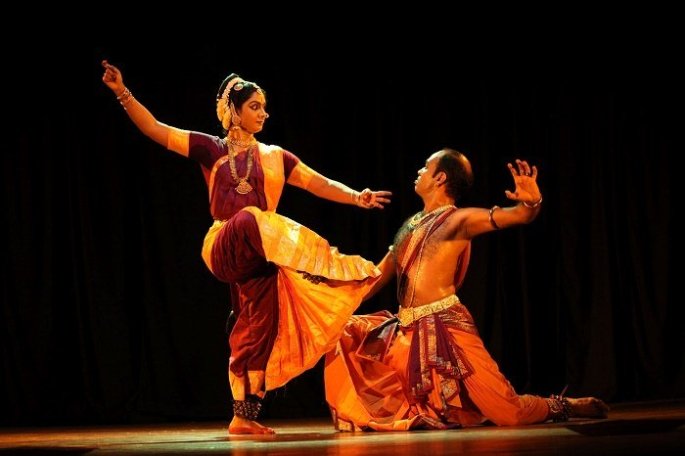
Bharathanatyam is a form of Indian classical dance that originated in the temples of Tamil Nadu. It was described in the treatise Natya Shastra by Bharata around the beginning of the common era. Bharata Natyam is known for its grace, purity, tenderness, expression and sculpturesque poses.

Lord Shiva is considered the God of this dance form. Today, it is one of the most popular and widely performed dance styles and is practiced by male and female dancers all over the world, although it is more commonly danced by women.

Be yourself; Everyone else is already taken.

— Oscar Wilde.

This is the first post on my new blog. I’m just getting this new blog going, so stay tuned for more. Subscribe below to get notified when I post new updates.

Sattriya

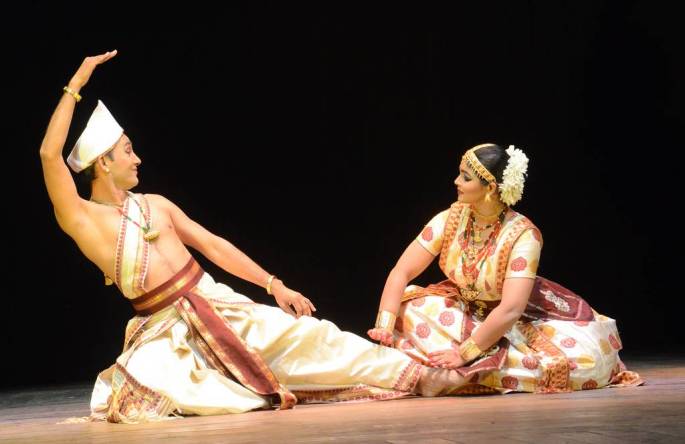
Sattriya or Sattriya Nritya is one among the eight principal classical Indian dance traditions. In the year 2000, the Sattriya dances of Assam received recognition as one of the eight classical dance forms of India. The core of Sattriya Nritya has usually been mythological stories. This was an artistic way of presenting mythological teachings to the people in an accessible, immediate and enjoyable manner.

This dance form has remained a living tradition in Assam’s Vaishnava monasteries known as sattras, for over 500 years now. It was originally practised by celibate monks in the form of mythological dance-dramas. Sattriya Nritya is accompanied by musical compositions called borgeets which are based on classical ragas.

Odissi

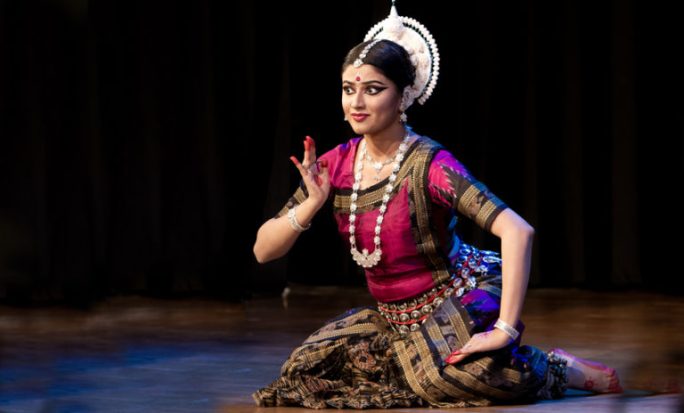
Odissi also known as Orissi is one of the eight classical dance forms of India. It originates from the state of Odisha, in eastern India. It is the oldest surviving dance form of India on the basis of archaeological evidences. The first clear picture of Odissi dance is found in the Manchapuri cave in Udayagiri which was carved during the time of emperor Kharavela.

Flanked by two queens, emperor Kharavela was watching a dance recital where a damsel was performing a dance in front of the court along with the company of female instrumentalists. Odissi dance is accompanied by Odissi music, a synthesis of four classes of music i.e. Dhruvapada, Chitrapada, Chitrakala and Panchal. The jewellery is made from intricate filigree silver jewellery pieces and these are an important part of the female Odissi dancer’s costume.

Mohiniyattam

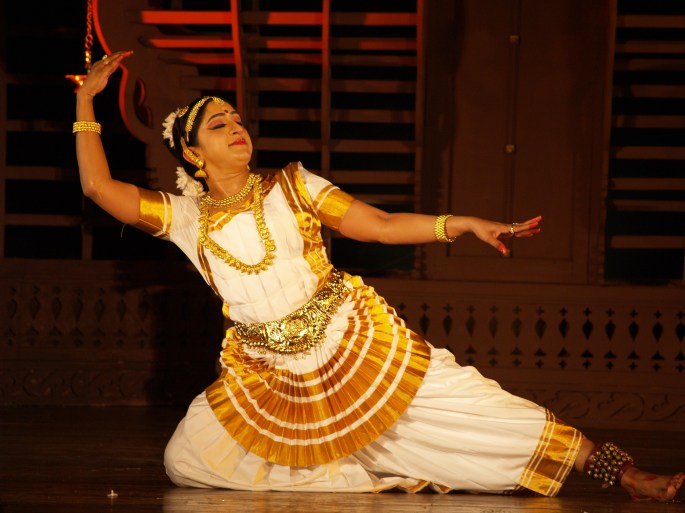
Mohiniyattam is a classical dance form from Kerala, India. Believed to have originated in 16th century CE. It is one of the eight Indian classical dance forms recognized by the Sangeet Natak Akademi. It is considered a very graceful form of dance meant to be performed as solo recitals by women. The word “Mohiniyattam” literally means “dance of the enchantress”.

The dance involves the swaying of broad hips and the gentle movements of erect posture from side to side. In this dance there are approximately 40 basic movements, known as atavukal. The lyrics are in Manipravalam, a mixture of Sanskrit and Malayalam. The performer uses the eyes in a very coy, sensual manner to enchant the mind without enticing the senses.

Manipuri

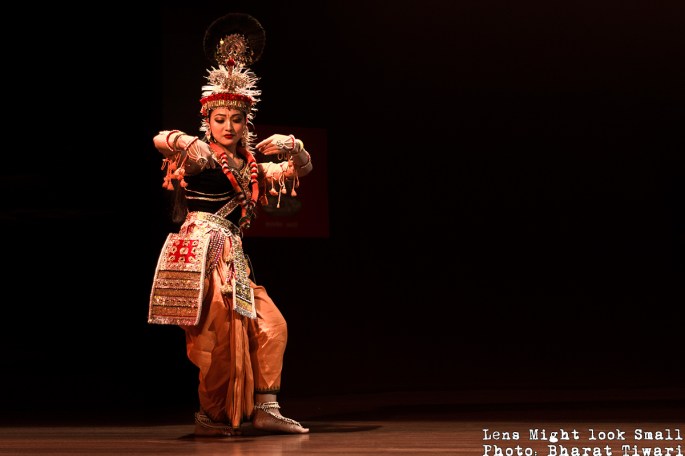
Manipuri dance is one of the major Indian classical dance forms. It originates from Manipur, a state in north-eastern India. The traditional Manipuri dance style embodies delicate, lyrical and graceful movements. The aim is to make rounded movements and avoid any jerks, sharp edges or straight lines. Manipuri dance is purely religious and its aim is a spiritual experience.

Movements of the body and feet and facial expressions in Manipuri dance are subtle and aim at devotion and grace. The musical instrument used in Manipuri dance like the Pung, a singer, small cymbals, pena and a flute. The lyrics used in Manipuri are usually from the classical poetry of Jayadeva, Vidyapati, Chandidas, Govindadas or Gyandas and may be in Sanskrit, Maithili, Brij Bhasha or others.

Kuchipudi

Kuchipudi is a Classical Indian dance from Andhra Pradesh, India. It is also popular all over South India. The performance usually begins with some stage rites, after which each of the characters come on to the stage and introduces herself with a dharavu to introduce the identity, set the mood, of the character in the drama. The drama then begins. The dance is accompanied by song which is typically Carnatic music. The singer is accompanied by mridangam, violin, flute and the tambura.

Kathakali

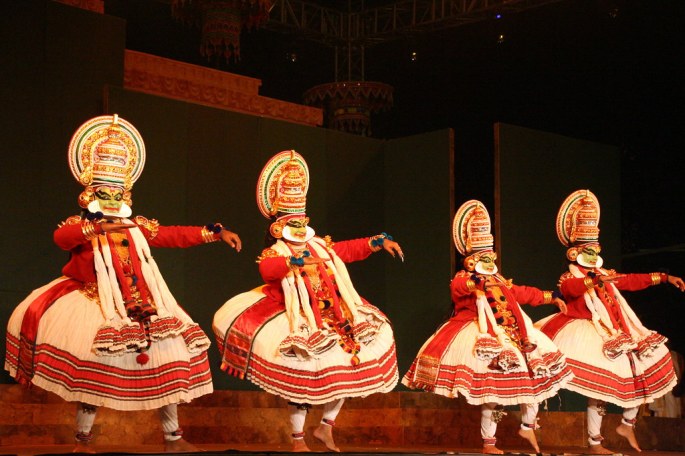
Kathakali is a stylized classical Indian dance-drama noted for the attractive make-up of characters, elaborate costumes, detailed gestures and well-defined body movements presented in tune with the anchor playback music and complementary percussion.

It originated in the country’s present day state of Kerala during the 17th century. According to tradition there are 101 classical Kathakali stories. Traditionally, a Kathakali performance is usually conducted at night and ends in early morning. A Kathakali actor uses immense concentration, skill and physical stamina in dance

Kathak

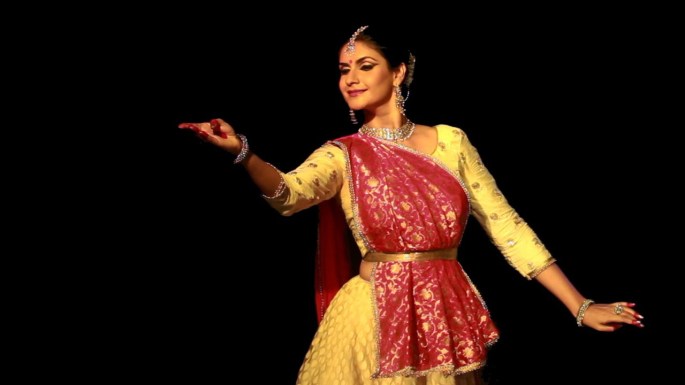
Kathak is one of the eight forms of Indian classical dance. This dance form traces its origins to the nomadic bards of ancient northern India, known as Kathakars or storytellers. The name Kathak is derived from the Sanskrit word katha meaning story and katthaka in Sanskrit means “to tell a story”.

The story of Kathak begins in ancient times with the performances of professional story-tellers called kathakas who recited or sang stories from epics and mythology with some elements of dance. The traditions of the kathakas were hereditary and dances passed from generation to generation.

Introduce Yourself (Example Post)

This is an example post, originally published as part of Blogging University. Enroll in one of our ten programs, and start your blog right.

You’re going to publish a post today. Don’t worry about how your blog looks. Don’t worry if you haven’t given it a name yet, or you’re feeling overwhelmed. Just click the “New Post” button, and tell us why you’re here.

Why do this?

  • Because it gives new readers context. What are you about? Why should they read your blog?
  • Because it will help you focus you own ideas about your blog and what you’d like to do with it.

The post can be short or long, a personal intro to your life or a bloggy mission statement, a manifesto for the future or a simple outline of your the types of things you hope to publish.

To help you get started, here are a few questions:

  • Why are you blogging publicly, rather than keeping a personal journal?
  • What topics do you think you’ll write about?
  • Who would you love to connect with via your blog?
  • If you blog successfully throughout the next year, what would you hope to have accomplished?

You’re not locked into any of this; one of the wonderful things about blogs is how they constantly evolve as we learn, grow, and interact with one another — but it’s good to know where and why you started, and articulating your goals may just give you a few other post ideas.

Can’t think how to get started? Just write the first thing that pops into your head. Anne Lamott, author of a book on writing we love, says that you need to give yourself permission to write a “crappy first draft”. Anne makes a great point — just start writing, and worry about editing it later.

When you’re ready to publish, give your post three to five tags that describe your blog’s focus — writing, photography, fiction, parenting, food, cars, movies, sports, whatever. These tags will help others who care about your topics find you in the Reader. Make sure one of the tags is “zerotohero,” so other new bloggers can find you, too.