
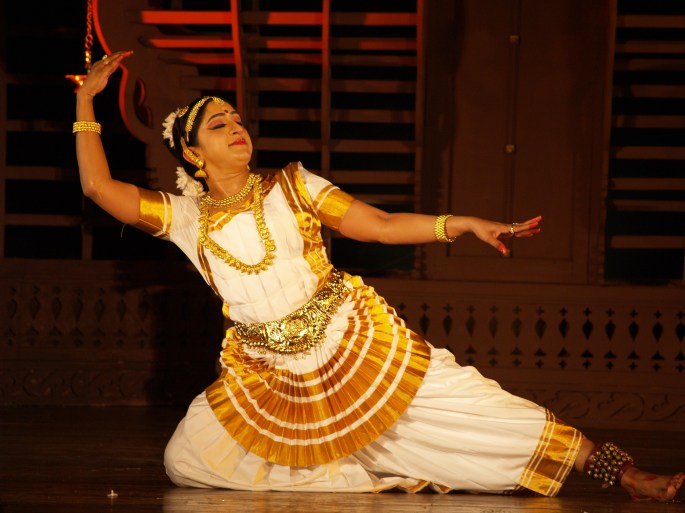
Mohiniyattam is a classical dance form from Kerala, India. Believed to have originated in 16th century CE. It is one of the eight Indian classical dance forms recognized by the Sangeet Natak Akademi. It is considered a very graceful form of dance meant to be performed as solo recitals by women. The word “Mohiniyattam” literally means “dance of the enchantress”.
The dance involves the swaying of broad hips and the gentle movements of erect posture from side to side. In this dance there are approximately 40 basic movements, known as atavukal. The lyrics are in Manipravalam, a mixture of Sanskrit and Malayalam. The performer uses the eyes in a very coy, sensual manner to enchant the mind without enticing the senses.
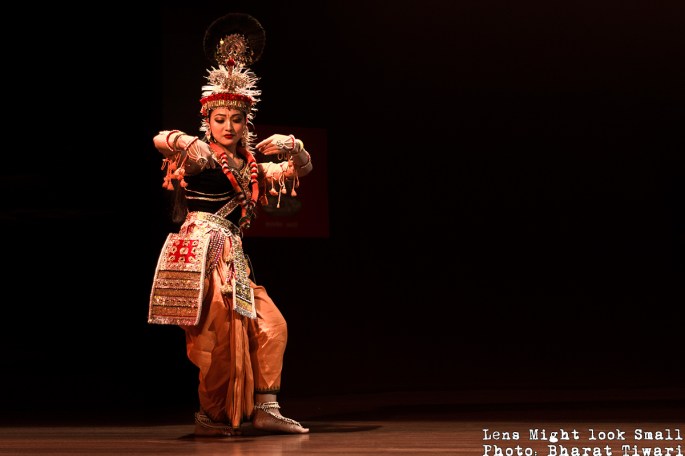
 Indian Classic Dance