
Sattriya

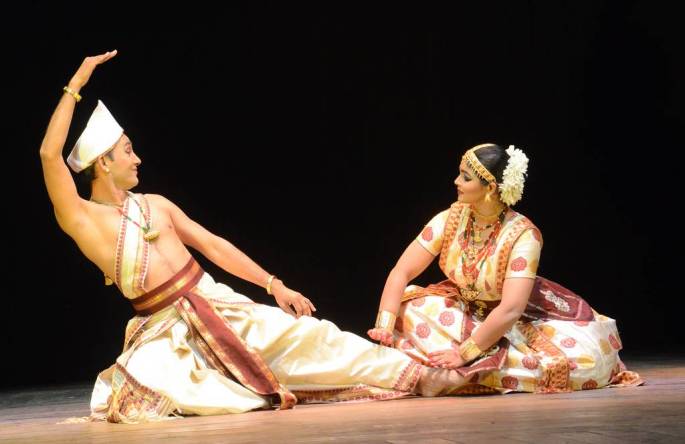
Sattriya or Sattriya Nritya is one among the eight principal classical Indian dance traditions. In the year 2000, the Sattriya dances of Assam received recognition as one of the eight classical dance forms of India. The core of Sattriya Nritya has usually been mythological stories. This was an artistic way of presenting mythological teachings to the people in an accessible, immediate and enjoyable manner.

This dance form has remained a living tradition in Assam’s Vaishnava monasteries known as sattras, for over 500 years now. It was originally practised by celibate monks in the form of mythological dance-dramas. Sattriya Nritya is accompanied by musical compositions called borgeets which are based on classical ragas.
Odissi

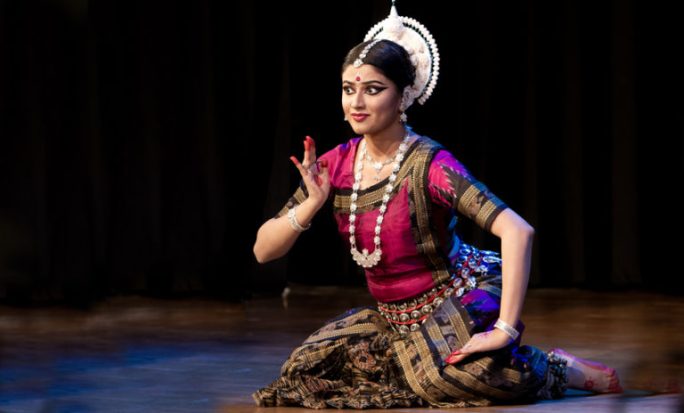
Odissi also known as Orissi is one of the eight classical dance forms of India. It originates from the state of Odisha, in eastern India. It is the oldest surviving dance form of India on the basis of archaeological evidences. The first clear picture of Odissi dance is found in the Manchapuri cave in Udayagiri which was carved during the time of emperor Kharavela.

Flanked by two queens, emperor Kharavela was watching a dance recital where a damsel was performing a dance in front of the court along with the company of female instrumentalists. Odissi dance is accompanied by Odissi music, a synthesis of four classes of music i.e. Dhruvapada, Chitrapada, Chitrakala and Panchal. The jewellery is made from intricate filigree silver jewellery pieces and these are an important part of the female Odissi dancer’s costume.