
Sattriya

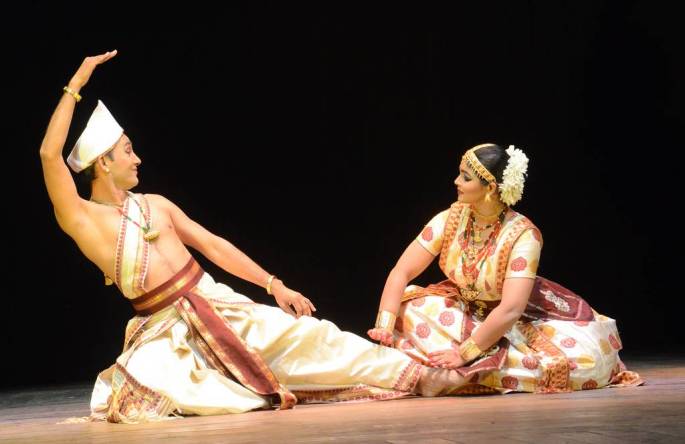
Sattriya or Sattriya Nritya is one among the eight principal classical Indian dance traditions. In the year 2000, the Sattriya dances of Assam received recognition as one of the eight classical dance forms of India. The core of Sattriya Nritya has usually been mythological stories. This was an artistic way of presenting mythological teachings to the people in an accessible, immediate and enjoyable manner.

This dance form has remained a living tradition in Assam’s Vaishnava monasteries known as sattras, for over 500 years now. It was originally practised by celibate monks in the form of mythological dance-dramas. Sattriya Nritya is accompanied by musical compositions called borgeets which are based on classical ragas.
Mohiniyattam

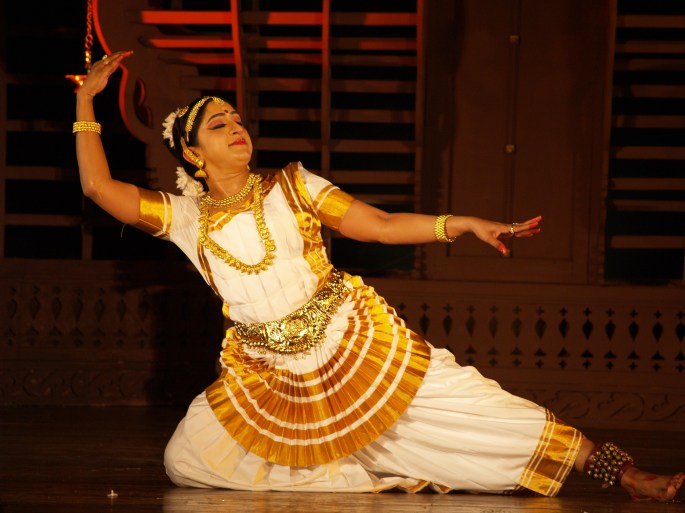
Mohiniyattam is a classical dance form from Kerala, India. Believed to have originated in 16th century CE. It is one of the eight Indian classical dance forms recognized by the Sangeet Natak Akademi. It is considered a very graceful form of dance meant to be performed as solo recitals by women. The word “Mohiniyattam” literally means “dance of the enchantress”.

The dance involves the swaying of broad hips and the gentle movements of erect posture from side to side. In this dance there are approximately 40 basic movements, known as atavukal. The lyrics are in Manipravalam, a mixture of Sanskrit and Malayalam. The performer uses the eyes in a very coy, sensual manner to enchant the mind without enticing the senses.

Manipuri

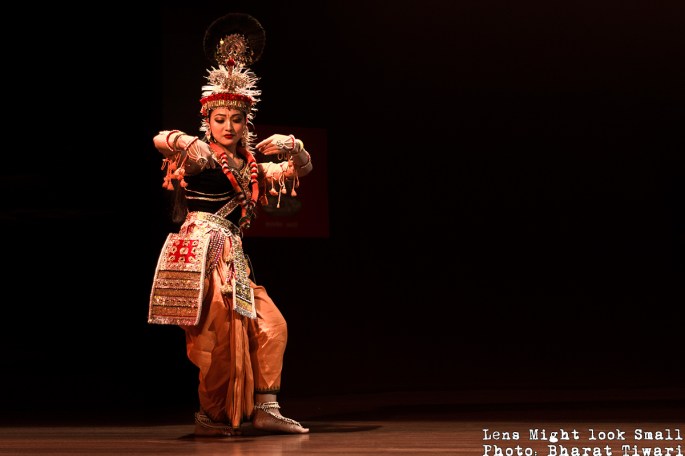
Manipuri dance is one of the major Indian classical dance forms. It originates from Manipur, a state in north-eastern India. The traditional Manipuri dance style embodies delicate, lyrical and graceful movements. The aim is to make rounded movements and avoid any jerks, sharp edges or straight lines. Manipuri dance is purely religious and its aim is a spiritual experience.

Movements of the body and feet and facial expressions in Manipuri dance are subtle and aim at devotion and grace. The musical instrument used in Manipuri dance like the Pung, a singer, small cymbals, pena and a flute. The lyrics used in Manipuri are usually from the classical poetry of Jayadeva, Vidyapati, Chandidas, Govindadas or Gyandas and may be in Sanskrit, Maithili, Brij Bhasha or others.